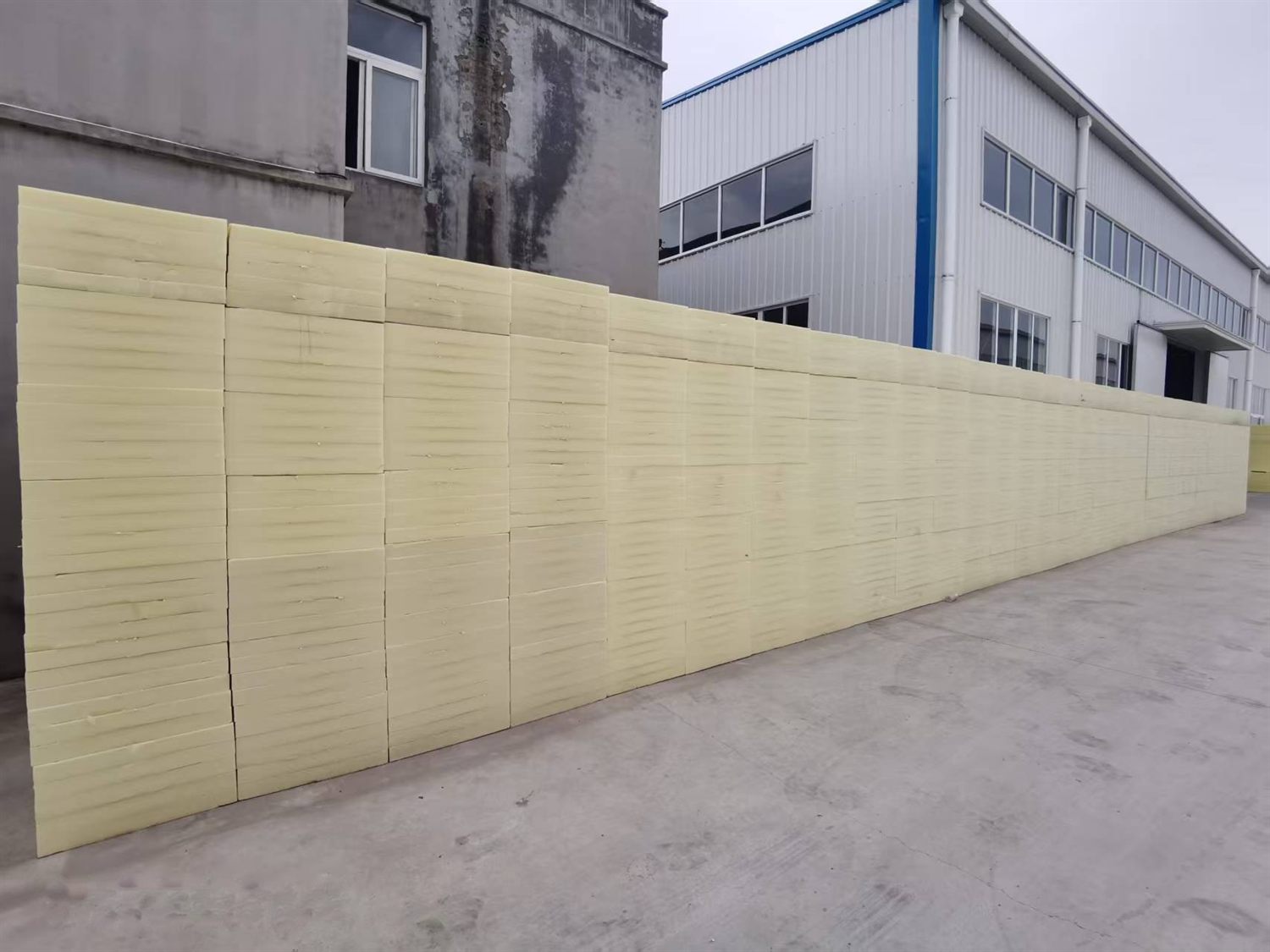
A
External walls of residential and public buildings
Cast-in-place and masonry external walls where the insulation layer is limited in thickness and energy calculations are demanding
Product 02 · Graphite XPS
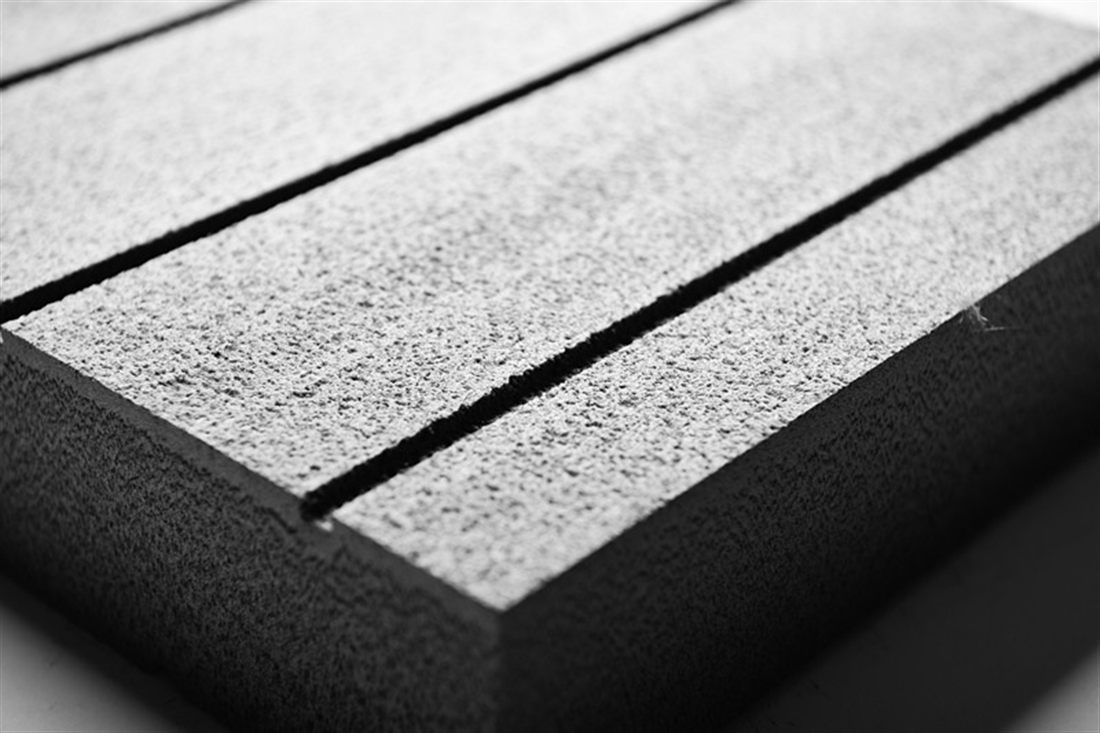
Graphite powder is added during production of the board. While the good fire performance of conventional XPS board is maintained, a high-elasticity, high-strength lightweight protective layer forms on the surfaces of the interconnected walls of the foam cell structure.
This layer lowers the thermal transmittance of the product and at the same time increases board strength and dimensional stability. For the same thermal resistance the insulation layer can therefore be thinner, or at the same thickness it gives better thermal performance, which suits external wall and roof projects with high energy-saving standards and limited space for insulation.
Technical Data
| Test item | Unit | Typical value / range |
|---|---|---|
| Thermal conductivity | W/(m·K) | 0.026–0.028 |
| Density (apparent) | kg/m³ | 32–45 |
| Compressive strength (at 10% deformation) | kPa | 200–500 |
| Water absorption (by volume) | % | ≤1.5 |
| Dimensional stability (70 °C, 48 h) | % | ≤1.5 |
| Fire performance class | — | B1 / B2 |
| Common thicknesses | mm | 30 / 40 / 50 / 60 / 80 |
| Standard sizes | mm | 1200×600 / 1800×600 |
Company product literature states that the thermal conductivity of graphite XPS board can reach the order of 0.020 W/(m·K); the table above lists the common supply and test ranges, and the factory inspection report for the batch concerned is decisive.
Comparison
| Item | Standard XPS board | Graphite XPS board |
|---|---|---|
| Thermal conductivity | ≈0.028 | 0.026–0.028 |
| Thickness needed for the same thermal resistance | Baseline | Thinner |
| Board colour | Light yellow-green / blue | Silver-grey (with graphite) |
| Dimensional stability | Good | Better |
| Typical use | Ordinary external walls, roofs, underfloor heating, floors | External walls with high energy-saving standards, positions where insulation thickness is limited |
| Identification on site | Delivery paperwork needed | Told apart directly by colour, convenient for acceptance |
Applications
A
Cast-in-place and masonry external walls where the insulation layer is limited in thickness and energy calculations are demanding
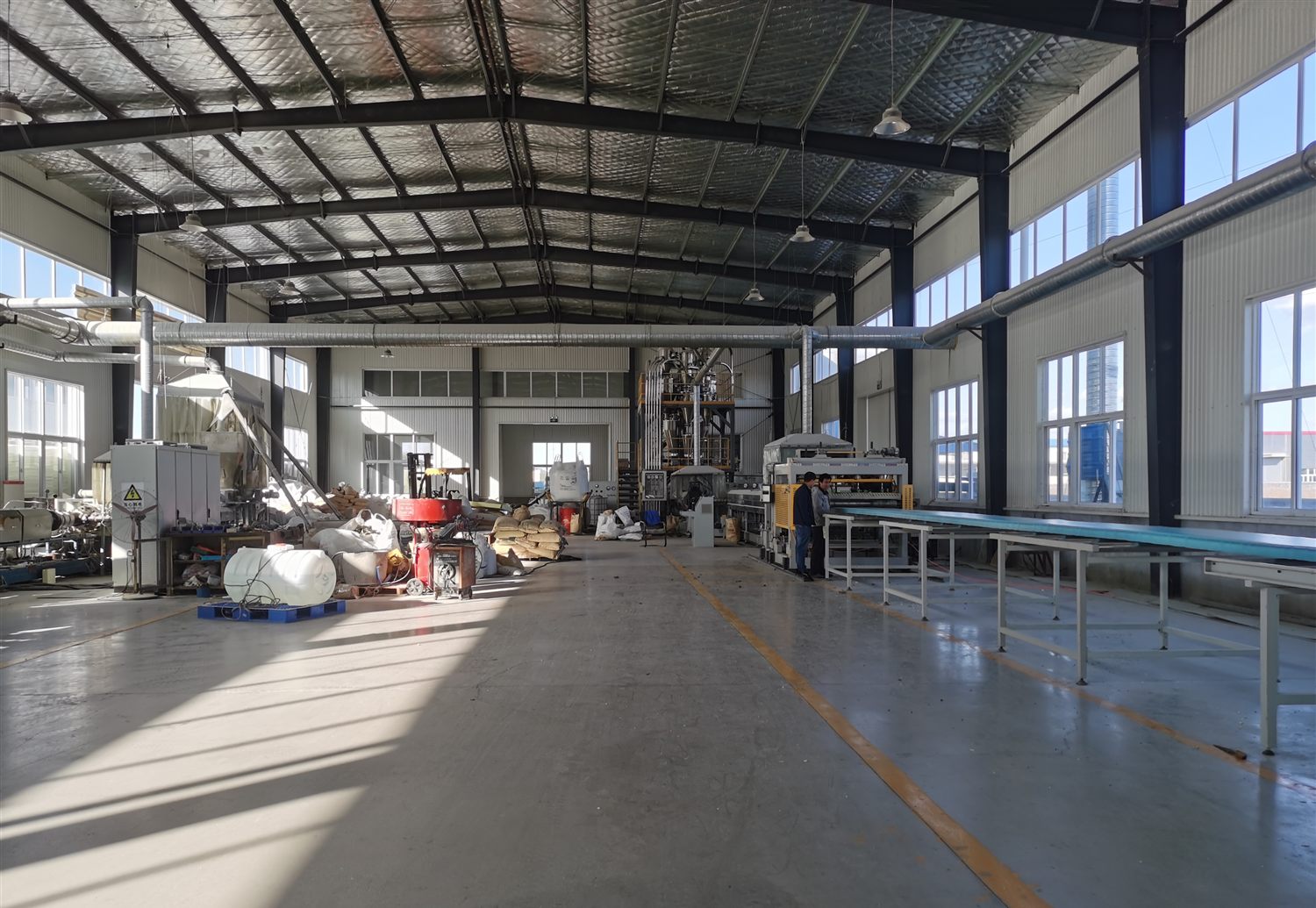
B
Concrete roof insulation layers that need low water absorption and high compressive strength
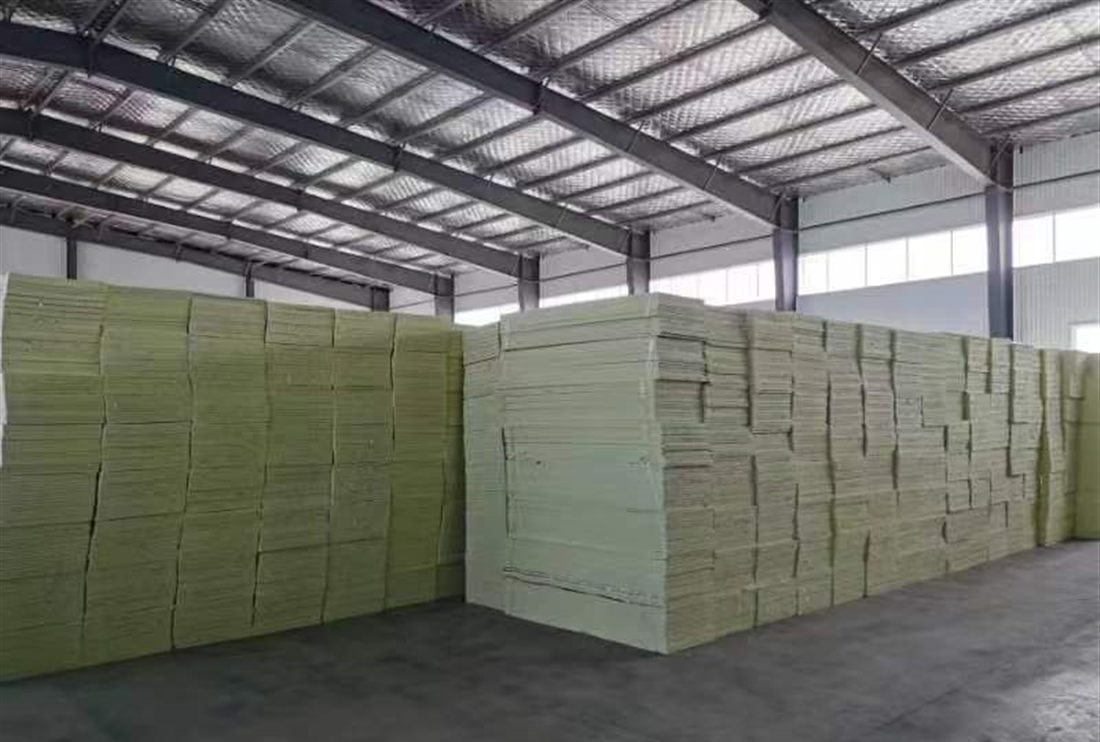
C
Factory-made elements with insulation core material embedded inside, cut to size
Back to the XPS insulation board technical data page Quotations and samples
Tell us the element — wall, roof, underfloor heating or cold store — and the thickness required, and we will advise on common sizes to GB/T 10801.2, send samples and quote batch supply.