Sizes and thickness customisation
Beyond the standard 1200×600 mm and 1800×600 mm boards, non-standard sizes and shaped pieces can be cut from the setting-out drawing to reduce on-site waste.
Home/Products
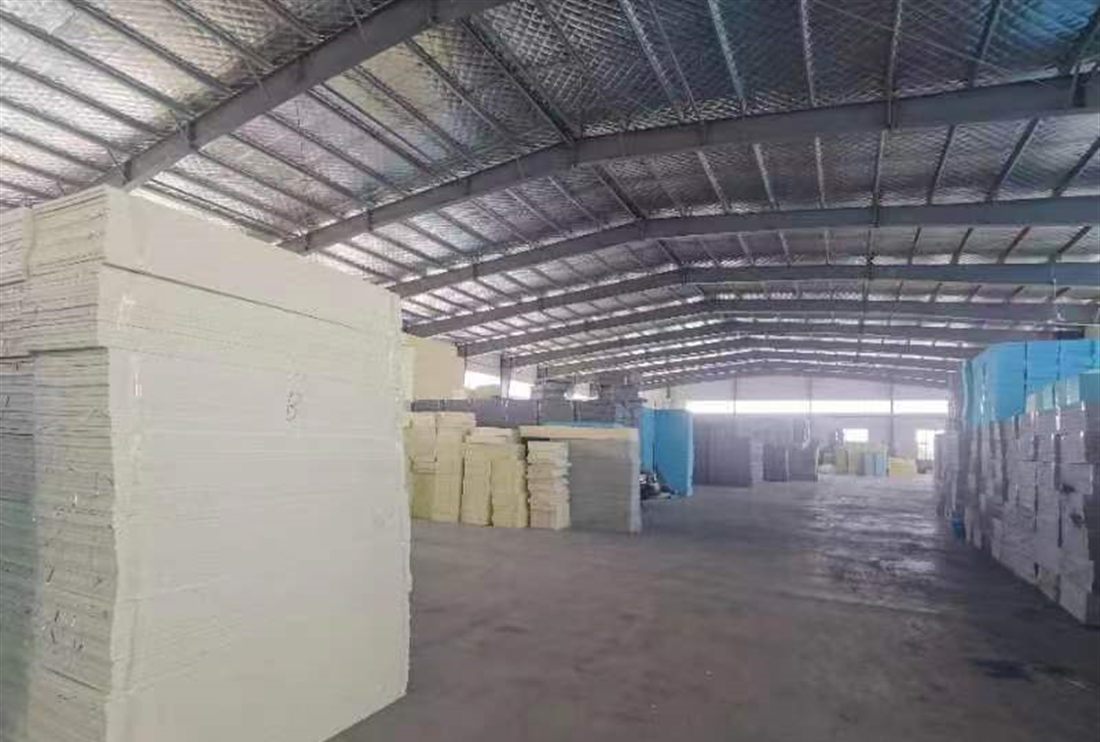
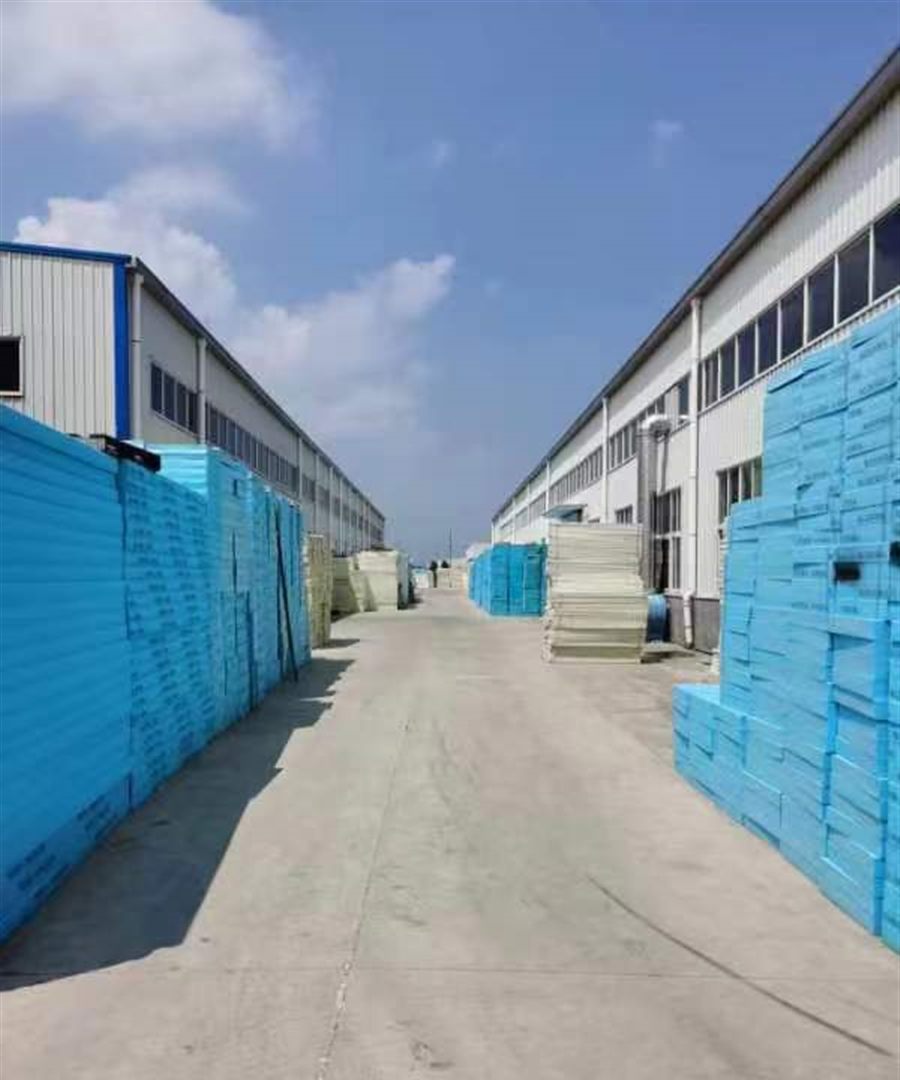
Insulation boards and system ancillary materials supplied from the same plant: XPS insulation boards, graphite XPS boards, EPS foam boards and underfloor heating insulation boards, plus ancillary building materials such as mortar, mesh and anchor fasteners.
All Products
Click a card to see the technical data, common sizes and typical locations for that product.
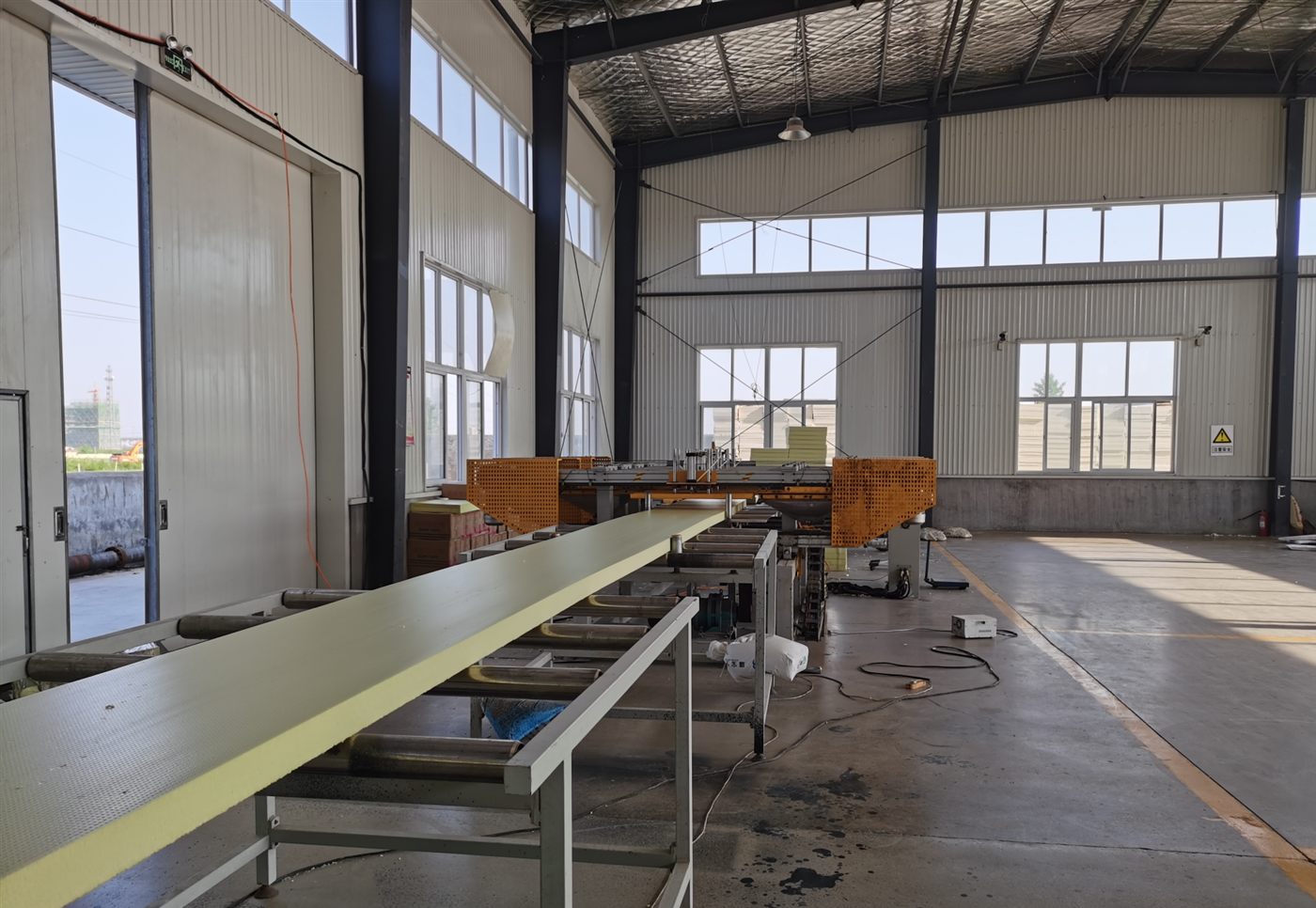
Extruded Polystyrene Board
Also known as XPS board or extruded board. A rigid foam board with continuous closed-cell foaming: high compressive strength, low water absorption, damp-proof and vapour-tight, light and corrosion resistant.
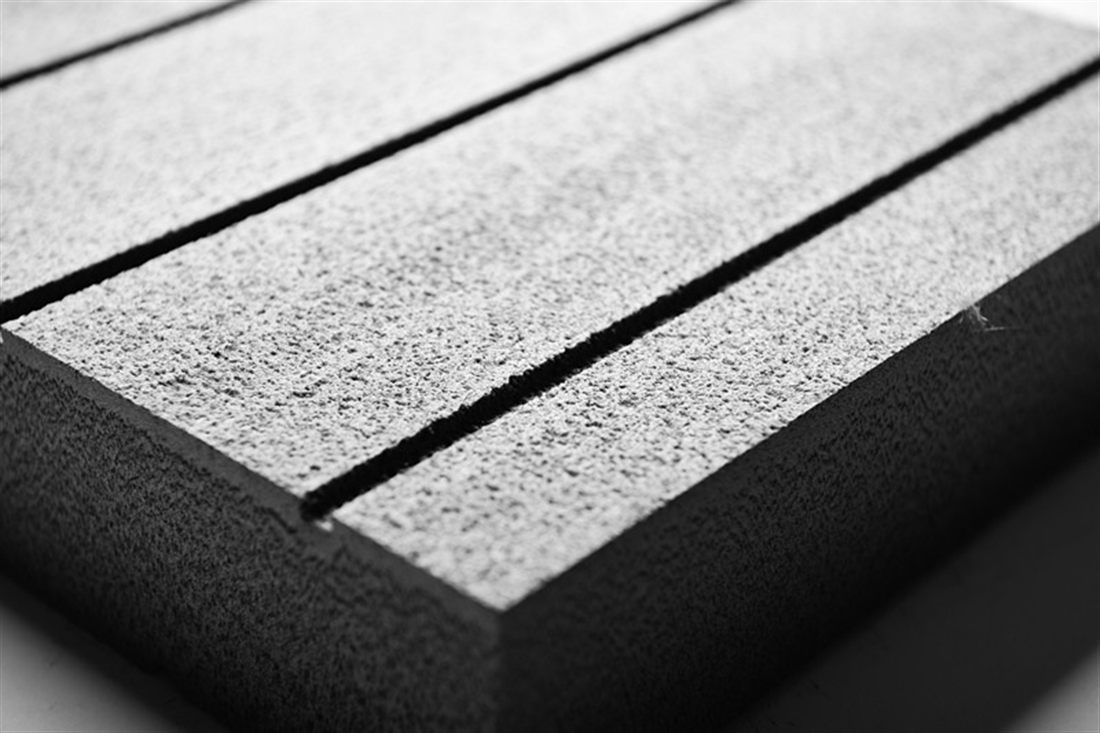
Graphite XPS Board
Graphite powder is added during production and forms an elastic, high-strength, lightweight protective layer on the surfaces of the interconnected cell walls, lowering heat transfer and improving dimensional stability.
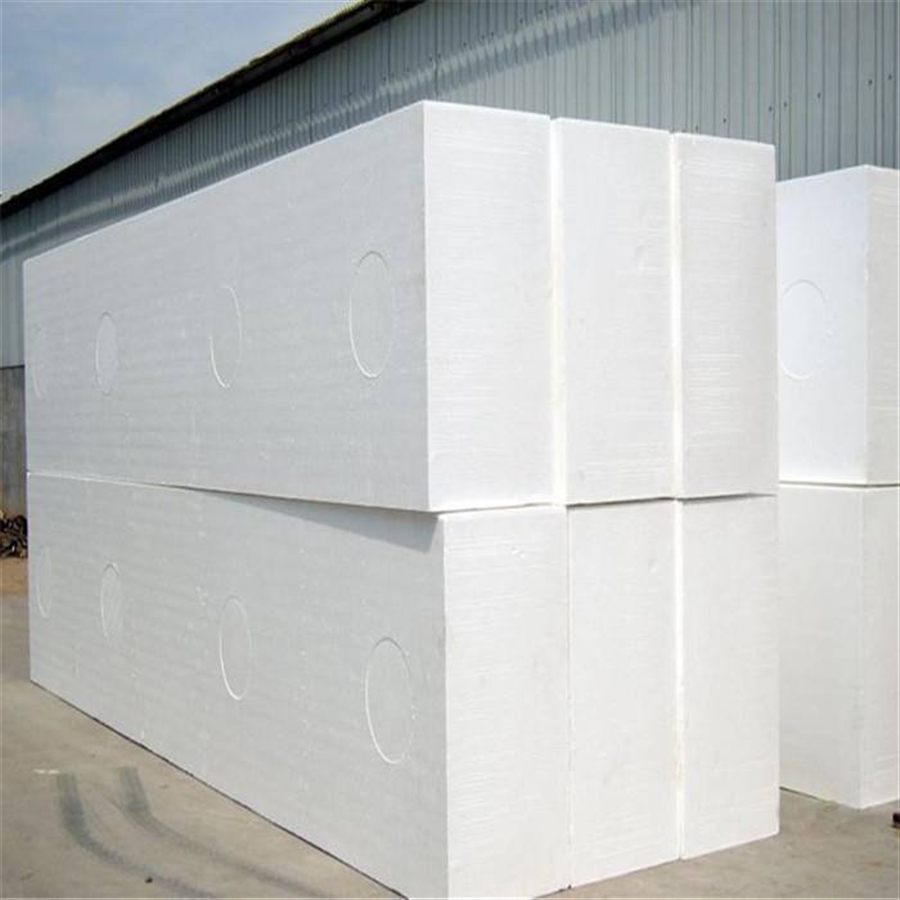
EPS Board
A white board moulded in a mould from heat-pre-expanded expandable polystyrene beads, with a fine closed-cell structure; easy to cut and easy to shape.
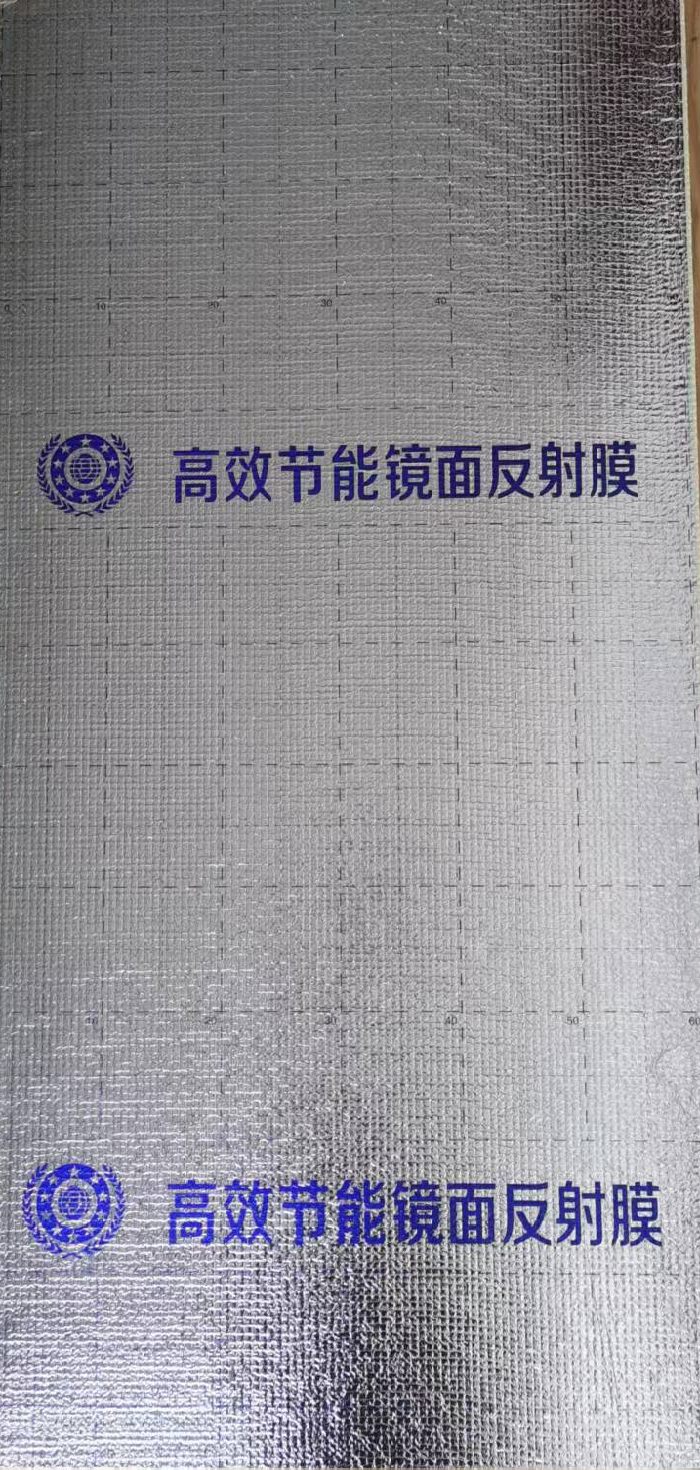
Floor Heating Insulation Board
A 20 kg/m³ fire-retardant foam board laminated with eco-friendly specialist film adhesive and a reflective film on 50 g/m² non-woven fabric, so heat passes in one direction only, into the room.
Ancillary Materials
Dry mortar, alkali-resistant fibreglass mesh, insulation anchor fasteners, polystyrene granules, redispersible powder, vitrified hollow microspheres and putty, installed together with the insulation layer.
Selector
Look up suggested thickness, fire class and compressive strength range by location to fix enquiry parameters quickly.
Cross Section
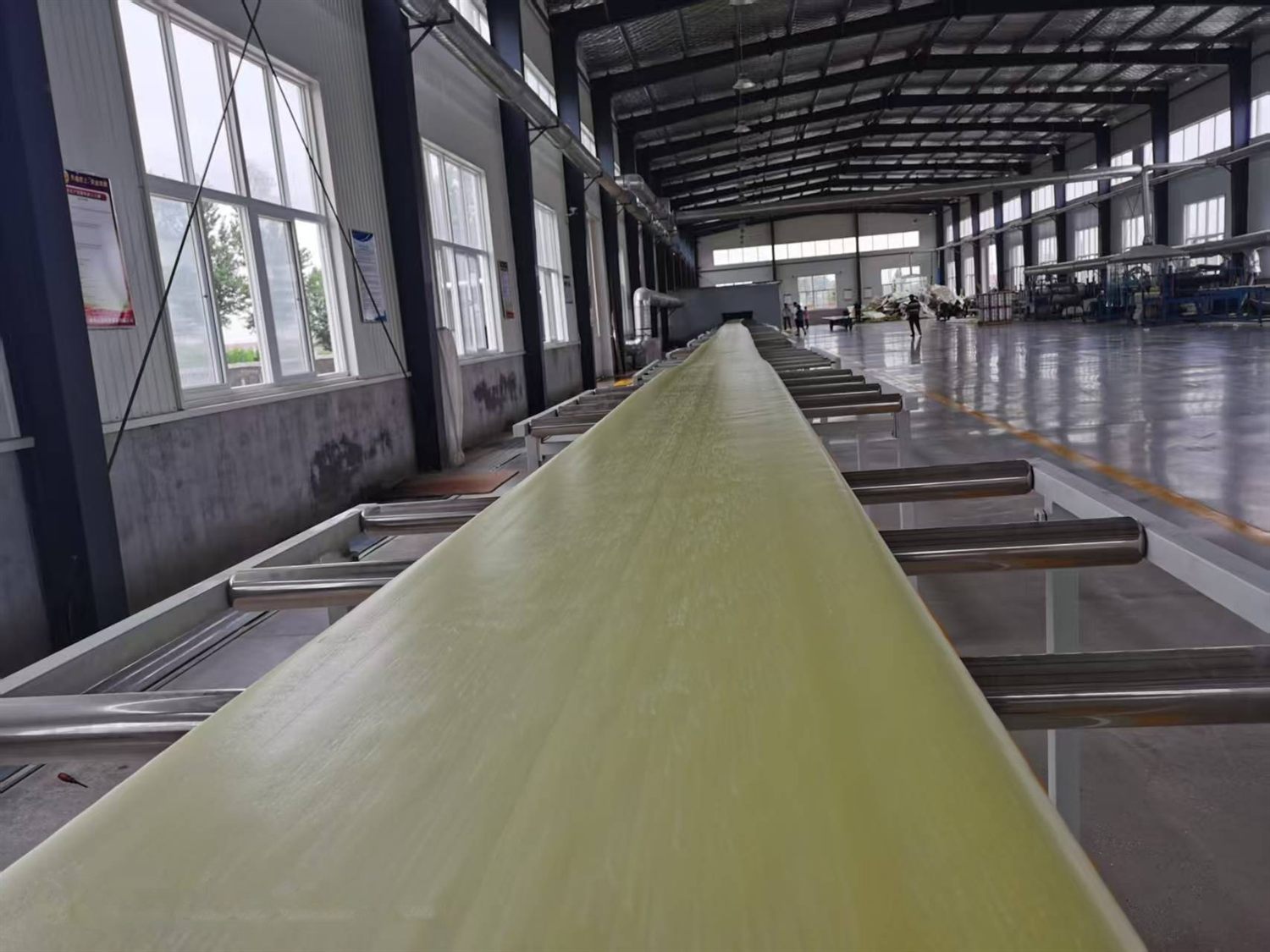
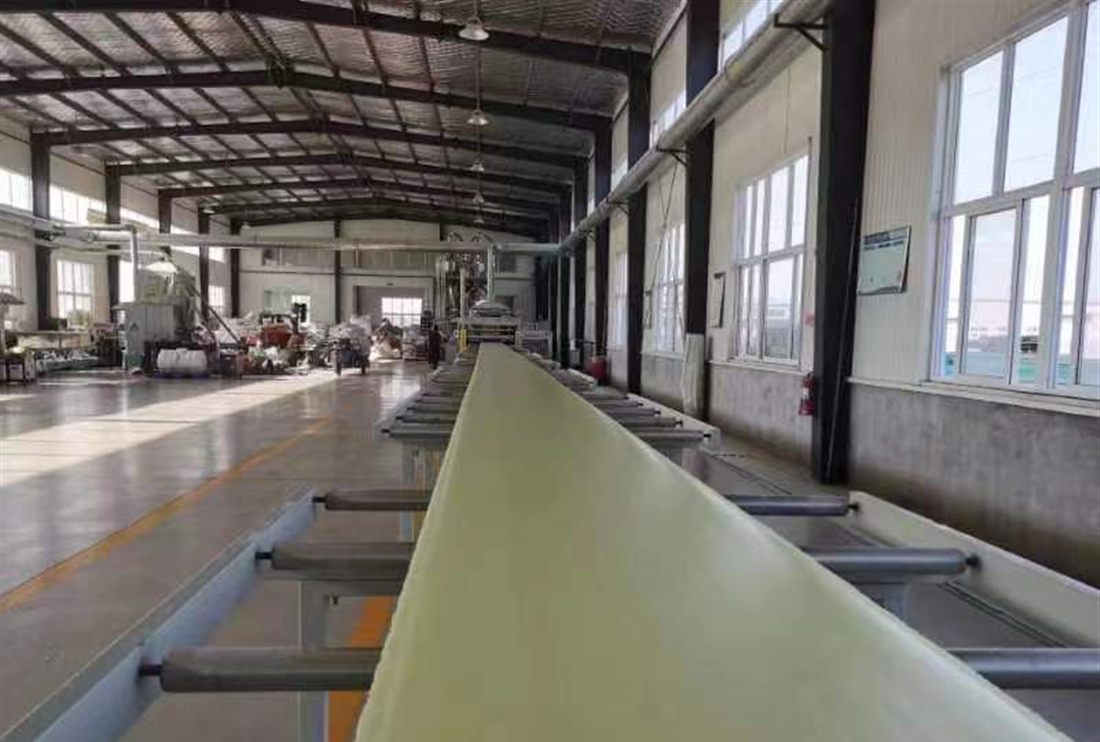
XPS board has a dense closed-cell structure; EPS board is fused from beads, so the gaps between granules are more visible; graphite XPS board adds graphite to the extruded structure to reflect thermal radiation. Structure determines compressive strength, water absorption and thermal conductivity.
| Item | XPS board | Graphite XPS board | EPS board |
|---|---|---|---|
| Forming method | Screw extrusion + continuous foaming | Graphite powder added during extrusion | Bead pre-expansion + mould heating |
| Thermal conductivity W/(m·K) | ≈0.028 | Lower (about 0.026–0.028) | ≈0.033–0.041 |
| Compressive strength | 150–700 kPa | 150–700 kPa | 50–200 kPa |
| Water absorption | Low; closed-cell damp proofing | Low; closed-cell damp proofing | Higher; a protective layer is required |
| Fire class | B1 / B2 / standard type | B1 / B2 | B1 / B2 / standard type |
| Common thickness | 20–100 mm | 30–80 mm | 20–100 mm |
| Typical locations | External walls, roofs, underfloor heating, cold stores, floors | External walls and roofs with high energy-saving standards | Walls, roofs, composite boards, shaped pieces |
The table lists common supply ranges for initial selection; actual values follow the factory inspection report and the requirements of the design drawings.
Selector
For an enquiry, provide the location, area and thickness; we advise from the ranges below and calculate the quantity required.
| Location | Recommended product | Suggested thickness | Fire class | Compressive strength advice | Edge type |
|---|---|---|---|---|---|
| External wall insulation of buildings | XPS board / graphite XPS board | 30–60 mm | Class B1 | ≥200 kPa | Plain edge |
| Flat concrete roof | XPS board | 40–80 mm | Class B1 / B2 | ≥250 kPa | Tongue-and-groove |
| Steel-structure roof / metal-faced sandwich | XPS board / EPS board | 40–60 mm | Class B1 | ≥200 kPa | Plain edge |
| Low-temperature radiant floor heating | Underfloor heating insulation board (with reflective film) | 20–30 mm | Class B1 / B2 | ≥200 kPa | Plain edge |
| Cold store walls and floors | XPS board | 50–100 mm | Class B1 | ≥300 kPa | Tongue-and-groove |
| Underground garage roof slab / car-park deck | XPS board | 40–80 mm | Class B1 / B2 | ≥350 kPa | Plain edge |
| Road subgrade / airport runway frost protection | High-compressive-strength XPS board | 60–100 mm | As designed | ≥500 kPa | Plain edge |
| Interior partition walls and equipment insulation | EPS board / thin board | 20–30 mm | As designed | ≥100 kPa | Plain edge |
Thickness and class are confirmed finally by the design institute against local energy-saving design standards and fire codes; this table is for supply communication.
Supply
Beyond the standard 1200×600 mm and 1800×600 mm boards, non-standard sizes and shaped pieces can be cut from the setting-out drawing to reduce on-site waste.
Before a bulk order, samples from the same batch and factory inspection data can be provided, supporting test submission for the project and the preparation of acceptance documents.
For sites in Qingdao city and the surrounding area, production and despatch are scheduled batch by batch; stack numbers correspond to the delivery note, which makes on-site counting easier.
FAQ
XPS board is heated and melted inside the screw and then extruded continuously through a die, forming independent, dense closed-cell bubbles with more uniform pores and a lower thermal conductivity (about 0.028 W/(m·K)). EPS board is formed by heat-fusing beads, and gaps remain between them, so its thermal conductivity is usually higher. For the same thermal resistance requirement, XPS board can therefore be made thinner, while its compressive strength and damp performance are better.
High-rise buildings, public buildings and municipal projects generally require class B1 (fire-retardant) insulation materials under fire codes; industrial and temporary buildings with lower fire requirements may use class B2 as designed. The design drawings and the fire review opinion should govern. On supply we despatch by class in separate batches and state it on the delivery note.
Colour comes mainly from the masterbatch and the raw material batch. The natural colour is light yellow-green, and blue, grey and others are also produced; graphite XPS board is silver-grey because of the graphite powder added. Colour itself is not a basis for judging performance — use measured indicators such as thermal conductivity, compressive strength and fire class.
Yes. Dry mortar, alkali-resistant fibreglass mesh, insulation anchor fasteners, polystyrene granules, redispersible powder, vitrified hollow microspheres and putty can all be supplied separately, or shipped together with the insulation boards against the project bill of quantities.
XPS board surfaces are fairly dense, so adhesion for direct rendering is limited. In practice the surface is roughened or coated with an interface agent first, then alkali-resistant fibreglass mesh and rendering mortar are used to form the protective layer. The specific method follows the build-up requirements of the external wall insulation system selected.
Tell us the element — wall, roof, underfloor heating or cold store — and the thickness required, and we will advise on common sizes to GB/T 10801.2, send samples and quote batch supply.